
 A strategic playbook for designing intelligent travel operations with AI


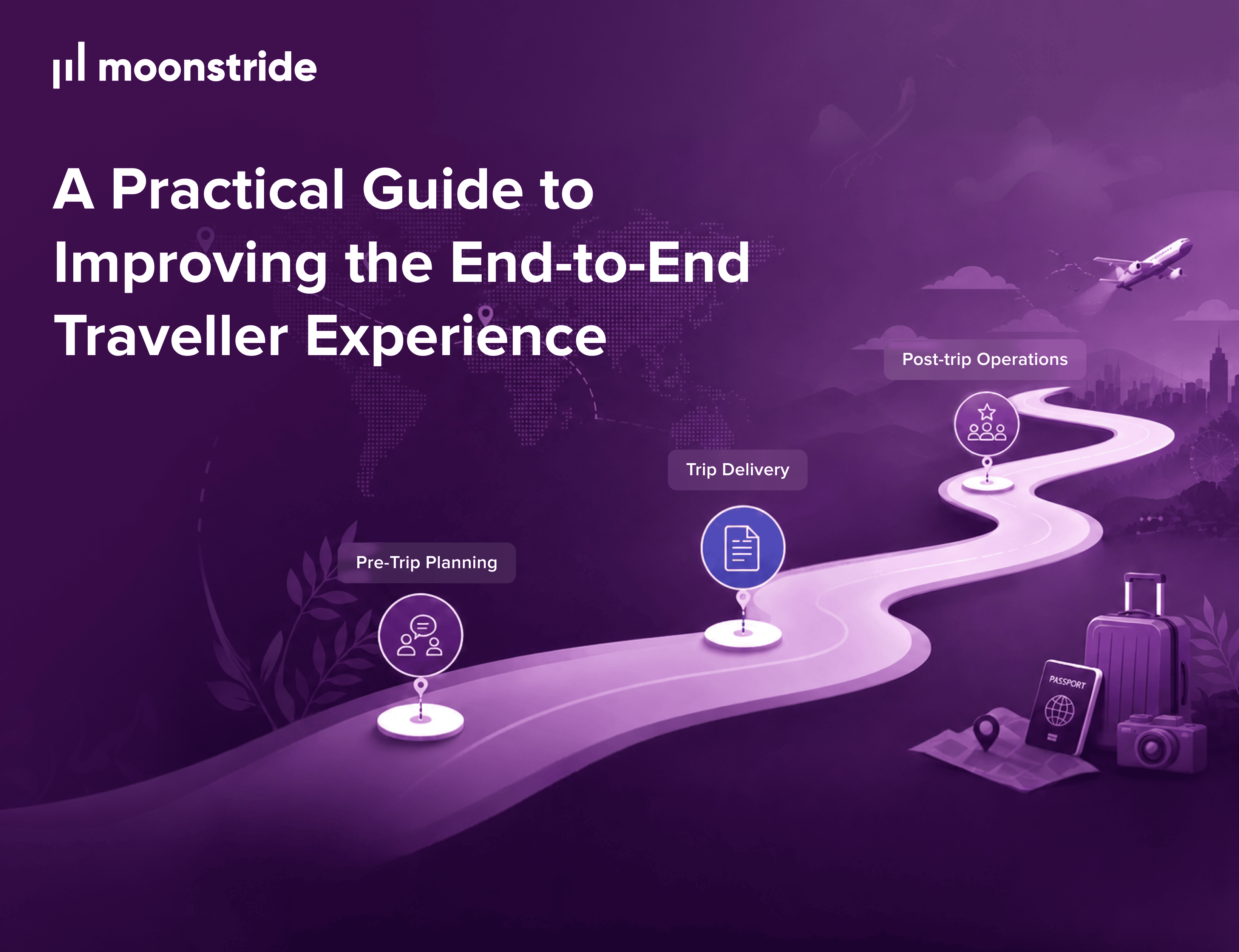
Traveller experience is shaped across the entire journey, not only while the traveller is at the destination. It begins when someone makes an enquiry, continues through booking, preparation and trip delivery, and carries on after they return home. For travel businesses, every interaction matters. The way traveller preferences are captured, how clearly the itinerary is shared, how smoothly services are delivered, and how feedback is used afterwards all influence the traveller’s overall impression.
Why Traveller Experience Needs a Full-Journey Approach
Many travellers judge their experience long before the trip starts. A slow response, unclear quote, missing document reminder or confusing itinerary can affect confidence before departure. In the same way, a smooth booking process, helpful communication and clear travel information can create reassurance early in the journey.
During the trip, travellers expect the arrangements to match what was promised. Transfers, accommodation, excursions, guides, local support and service timings all need to work together. When details are missed or teams do not have the right information, the traveller feels the impact directly.
After the trip, the experience continues through feedback, support, loyalty and future engagement. A traveller who feels remembered and understood is more likely to return, recommend the business or book again.
This is why traveller experience should be viewed as one continuous journey rather than separate stages managed by different teams. Sales, reservations, operations, finance and customer service may all influence different moments, but the traveller experiences them as one journey.
Building Clarity Confidence and Personalisation Before the Trip
The pre-trip stage is where expectations are created. Travellers want to feel that their needs are understood and that every important detail is being handled properly.
For travel businesses, this stage covers enquiry handling, customer profiling, quotation, itinerary planning, booking confirmation, payment, documents and pre-departure communication. It is also the point where small details can make a big difference to how confident a traveller feels.
Understand Traveller Preferences from the Start
When teams understand the traveller’s preferences early, they can recommend more relevant options and reduce unnecessary back-and-forth. This goes beyond basic details such as destination, travel dates and number of travellers. A family travelling with young children may need hotels with suitable facilities, sensible transfer timings and a slower itinerary pace. A couple planning a luxury anniversary trip may care more about room type, privacy, dining experiences and memorable moments. A group travel organiser may need clear rooming details, payment visibility and practical communication for multiple travellers.
When this information is stored clearly through customer profiling, teams can use it throughout the journey rather than asking the traveller for the same details again.
Provide a Useful and Well-Structured Itinerary
An itinerary should do more than list destinations and timings. It should help travellers understand the journey, visualise the experience and prepare for each stage of the trip.
A useful itinerary brings together the details that matter most, from day-by-day plans, hotels and transfers to activity timings, pick-up points, meal information, local notes and support contacts. It should be easy to read, easy to follow and clear enough for the traveller to know what to expect.
This becomes even more important for multi-destination holidays, group tours, luxury travel, MICE programmes and tailor-made itineraries. The more complex the trip, the more the traveller depends on a clear itinerary presentation to feel confident that everything has been planned properly.
With an itinerary builder, travel teams can create clearer day-by-day travel plans with hotels, transfers, activities, notes and important trip details connected to the wider booking journey.
Bring Traveller Details into a Structured Quotation
When this information is clear, the next step is shaping it into a structured proposal that reflects real traveller needs. A quotation brings together selected hotels, transport, experiences and pricing into one view that the traveller can understand and respond to. In this stage, features like moonstride’s quotation builder help teams organise and present these elements in a clear, structured way while keeping updates and changes easy to manage. It becomes the reference point for discussions, revisions and decisions as the booking moves forward.
Make the Booking Process Easy to Understand
The booking stage should give travellers confidence. They should know what is included, what still needs to be confirmed, what they need to provide and what happens next.
Clear booking communication can reduce uncertainty around final itinerary details, inclusions and exclusions, deposit requirements, payment schedules, cancellation terms, travel documents, insurance reminders and supplier confirmation status.
For the traveller, this clarity creates reassurance. For the travel team, it reduces avoidable questions and helps keep the booking process moving smoothly.
For businesses managing online enquiries and reservations, an integrated travel booking engine can help bring booking activity, supplier connectivity and confirmation processes into a more controlled environment.
Prepare Travellers Before Departure
Pre-departure communication can make the journey feel smoother before it begins. This is where travel businesses can reduce last-minute confusion and help travellers feel prepared.
A traveller may need final documents, transfer instructions, destination guidance, payment reminders, passport or visa reminders, packing suggestions, health or accessibility information, local customs advice and support contact details. The timing and clarity of this information matter as much as the information itself.
The aim is to give travellers what they need at the right stage, without overwhelming them. Too little information can create anxiety, while too much information at once can be difficult to process. A well-managed pre-trip experience gives travellers confidence that the business is organised and ready to support them.
Delivering a Smooth and Supported Journey During the Trip
The during-trip stage is where planning becomes real. The traveller is now experiencing the services that were sold, confirmed and prepared.
At this point, the focus shifts to delivery, coordination and support. The traveller expects everything to match the agreed itinerary, and when changes occur, they expect the travel business to respond clearly and with the right information.
Ensure a Smooth Arrival Experience
Arrival coordination becomes more critical when a trip includes several moving parts. Airport transfers, hotel check-ins, guide arrangements, local representatives and support contacts all need to be clearly managed so the traveller knows what to expect from the moment they arrive. For travel teams managing destination services, structured transfer allocation can help keep arrival movements and related service details better organised.
When these details are aligned, the first stage of the trip feels smoother and more reassuring. If one detail is missed, such as an unclear meeting point or delayed transfer update, the traveller may feel it immediately and the experience can start with unnecessary stress.
Keep Internal Teams and Suppliers Aligned
Travellers only see the final experience, but behind the scenes, several teams and suppliers may be involved. Sales, reservations, operations, finance, guides, hotels, transport providers and local partners all need access to the right information.
This may include traveller names, arrival and departure times, rooming lists, dietary requirements, accessibility needs, VIP notes, special requests, supplier confirmations, payment status and service timings. When these details are incomplete or scattered across emails, spreadsheets and separate systems, service delivery becomes harder to manage.
A centralised operational view helps teams act with more confidence and reduces the chance of mistakes reaching the traveller. Organised supplier profile management can also support better visibility across supplier records, communication, service notes and performance information, helping teams manage supplier relationships with more context.
Manage Changes with Clear Communication
Travel plans can change during the trip. Flights may be delayed, weather may affect activities, a traveller may request an amendment, or a supplier may need to adjust timings.
The traveller experience improves when teams can manage these changes clearly and with the right booking context. A room change, transfer delay or activity amendment feels very different when the traveller receives a clear update and knows what is happening next.
This is where communication apps can support the experience. When WhatsApp, SMS and email conversations are easier to manage from one place, travel teams can keep travellers informed through the channels they already use, while keeping communication aligned with the wider booking journey.
Provide Support Without Overloading the Traveller
Good traveller support does not mean constant communication. It means being available, responsive and relevant when support is needed.
Travellers should know how to reach the right person, where to find assistance information, who their local representative is if one is provided, and how changes will be communicated if something affects the itinerary.
The best during-trip communication is timely and useful. It supports the traveller without interrupting the experience. When communication is handled well, travellers feel looked after while still being free to enjoy the journey.
Capture Feedback, Build Loyalty and Improve Future Experiences After the Trip
Traveller experience continues after the trip ends. This stage helps travel businesses understand what worked well, what needs improvement and what could encourage the traveller to book again.
Post-trip activity should feel thoughtful and relevant. It should help the business learn from the experience while keeping the customer relationship alive.
Collect Meaningful Feedback
Feedback should go beyond a general satisfaction score. Travel businesses need to understand the traveller’s experience across different parts of the journey, including the booking process, itinerary quality, accommodation, transfers, guides, excursions, destination experience, communication, during-trip support and overall value.
This kind of feedback helps teams identify service gaps, supplier performance issues and opportunities to improve future trips. For example, if several travellers mention that transfer instructions were unclear, the business can improve pre-departure communication. If a particular hotel receives repeated negative comments, the supplier relationship can be reviewed.
This is where a Travel Survey Engine adds value. Instead of treating feedback as a separate post-trip form, travel businesses can collect structured traveller responses and align them with booking, itinerary and supplier data. This makes it easier to see how the overall trip experience performed and where specific services may need attention.
Record Traveller Preferences for Future Trips
Every completed trip creates valuable customer insight. Travel businesses can use this information to build stronger traveller profiles and support future personalisation.
A traveller’s previous destinations, accommodation preferences, preferred travel pace, budget level, service expectations, activities enjoyed, complaints, special requirements and future travel interests can all help shape future recommendations.
This information also helps the business avoid treating returning customers like new enquiries. When a team can see what a traveller enjoyed, what they avoided and what mattered most to them, the next conversation becomes more relevant from the start.
Review Supplier and Service Performance
Traveller experience depends heavily on supplier delivery. Hotels, transport providers, guides, activity partners and local representatives all influence how the final journey feels.
After the trip, travel businesses should review supplier performance using both internal notes and customer feedback. Reliable suppliers can be prioritised, repeated complaints can be investigated, delays can be reviewed, and strong-performing guides or partners can be recognised.
This turns post-trip feedback into operational improvement rather than leaving it as isolated customer comments.
Use Booking History to Support Repeat Travel
A completed trip should become part of the customer relationship. When booking history and traveller preferences are available, teams can make future engagement more relevant.
A family that booked a summer beach holiday may be interested in school holiday options. A couple that booked a luxury itinerary may respond well to premium destination recommendations. A group travel client may need annual planning support. A corporate travel customer may need repeat arrangements for events or team travel.
Bringing Operations and Traveller Experience Together
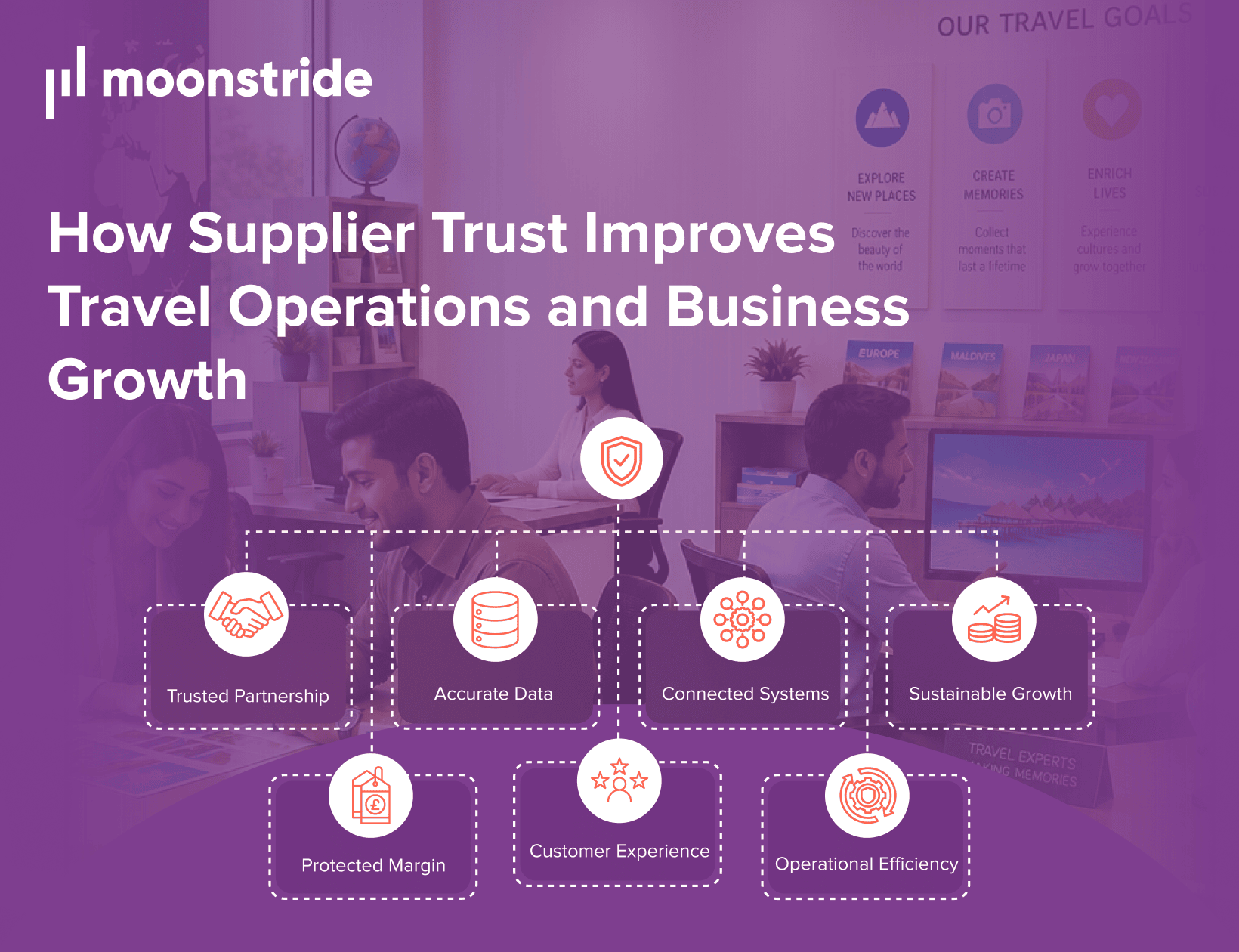
Traveller experience is shaped not only by customer interactions but also by the operational systems that support them. Each stage depends on accurate, connected information across customer profiles, enquiries, quotes, itineraries, bookings, supplier records, payments, documents, service notes, communications, feedback and booking history.
When this information is managed across disconnected tools, maintaining consistency becomes challenging. Travel integrations help address this by connecting bookings, payments, communications and trip planning within a unified environment. This enables teams to operate from a single view of the traveller and booking, supporting consistent actions from quoting and confirmations to itinerary updates and feedback management.
This approach is reflected across moonstride features where enquiry management, quoting, operations and post trip processes are connected within a single environment, providing a continuous view of the full travel lifecycle. To explore how this works across different stages of the travel process book a free demo to understand how this can support your travel operations.
Share on



Write a Comment
Leave a reply
Your email address will not be published. Required fields are marked *